

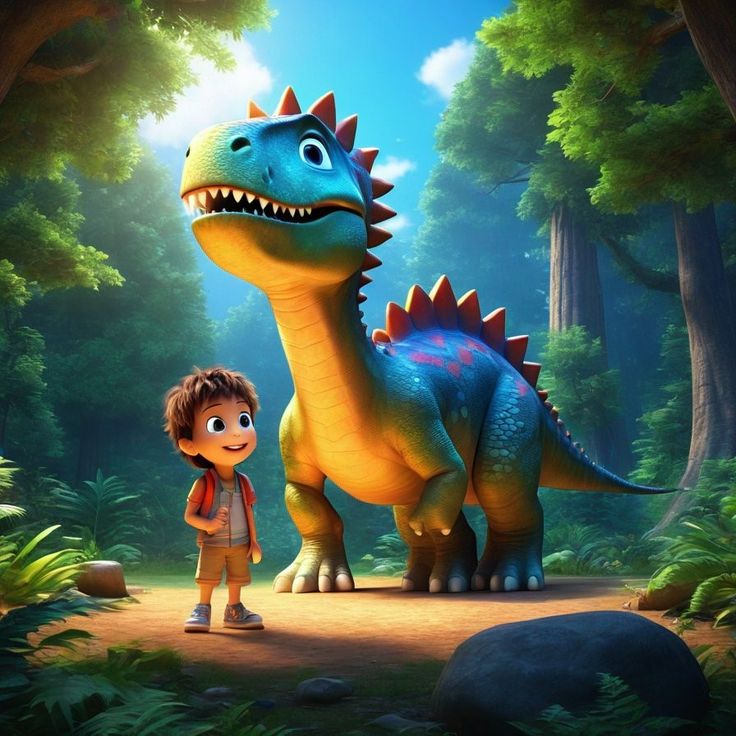
Storytelling is a magical journey that captivates the hearts and minds of children. It opens up a world where imagination knows no bounds. From enchanted forests to far-off galaxies, every tale invites young adventurers to explore new realms.
Children thrive on stories. They spark creativity, enhance language skills, and build empathy through characters’ experiences. When kids dive into story adventures, they don’t just listen; they live them. Each narrative offers opportunities for discovery and learning.
Let’s uncover the beauty of storytelling together and see how we can inspire budding imaginations with unforgettable adventures!
The benefits of story adventures for young minds
Story adventure book ignite curiosity in young minds. They transport children to magical realms and unfamiliar landscapes. In these spaces, anything is possible.
Through storytelling, kids develop empathy. They step into the shoes of diverse characters, experiencing different lives and emotions. This fosters understanding and compassion towards others.
Imagination flourishes when listening to tales of bravery and friendship. Children learn to visualize scenarios vividly, strengthening their creative thinking skills.
Additionally, story adventures enhance language development. Exposure to new vocabulary promotes literacy while improving communication abilities.
These narratives also boost problem-solving skills as children ponder plot twists and character decisions. They begin to think critically about challenges faced by protagonists.
The beauty of story adventures lies in their ability to build a foundation for lifelong learning through fun experiences that enrich both mind and heart.
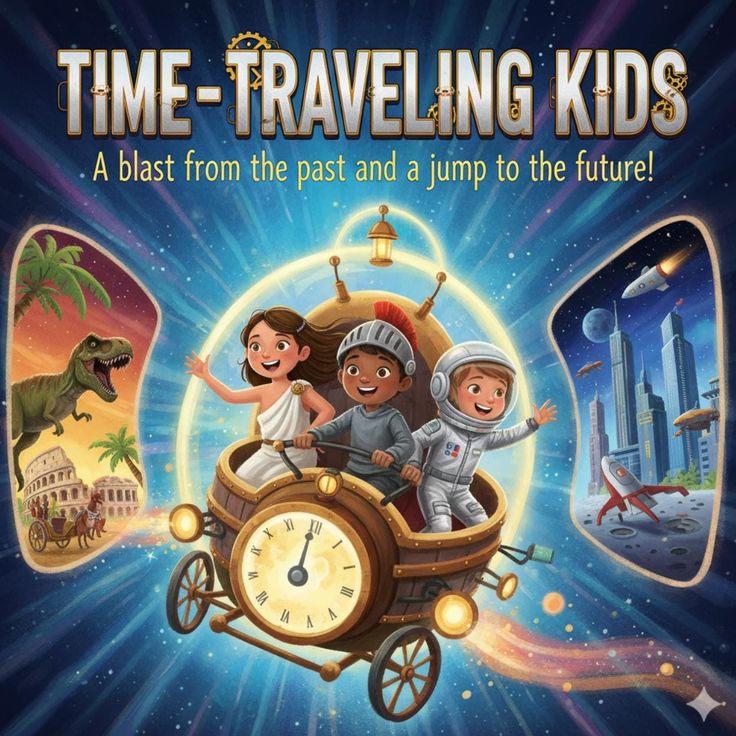
How to create your own story adventure
Creating your own story adventure is a thrilling experience. Start by choosing a setting that sparks curiosity—maybe it’s a magical forest or an underwater kingdom.
Next, think about the characters who will inhabit this world. These can be brave heroes, clever animals, or even quirky villains. Each character should have their own dreams and fears to make them relatable.
Now comes the plot twist! Introduce a problem or challenge for your characters to solve. This could be anything from finding hidden treasure to rescuing a friend in trouble.
Use vivid descriptions to bring your scenes alive; let readers see, hear, and feel what happens next. Encourage imagination by leaving some elements open-ended so kids can dream up their own conclusions.
Don’t forget about dialogue—fun conversations between characters can add depth and excitement to your tale!
Top 5 classic story adventures for children
Classic stories have a timeless charm that captivates young readers. Here are five adventures that continue to spark imaginations.
First up is “Alice’s Adventures in Wonderland.” Alice’s journey through a whimsical land introduces children to quirky characters and curious situations, encouraging them to embrace the unexpected.
Next, we explore “The Adventures of Tom Sawyer.” Tom’s mischievous escapades by the river allow kids to experience freedom and friendship while learning valuable life lessons along the way.
“Peter Pan” takes us on an enchanting flight to Neverland. This tale of eternal youth invites children to dream big and believe in magic beyond their wildest fantasies.
Then there’s “Treasure Island,” where pirates, maps, and hidden treasure ignite excitement. Jim Hawkins’ quest teaches bravery as he navigates danger for unimaginable rewards.
Lastly, “The Wind in the Willows” immerses young minds into nature with its charming animal friends embarking on delightful journeys filled with adventure and camaraderie.
Modern adaptations and twists on traditional tales
Storytelling has evolved, and modern adaptations offer fresh perspectives on beloved classics. These retellings breathe new life into age-old tales, making them relevant for today’s audience.
Take “The Little Mermaid,” for example. While the original tale by Hans Christian Andersen carries themes of sacrifice and longing, recent adaptations infuse it with empowerment and adventure. Disney’s version showcases a strong-willed Ariel who actively pursues her dreams.
Similarly, classic fairy tales often get reimagined from different viewpoints. Books like “The Land of Stories” series by Chris Colfer transport readers to a universe where characters we thought we knew face new challenges and adventures. This twist invites children to explore familiar stories through an innovative lens.
Modern storytelling also embraces diversity more than ever before. Authors are creating narratives that reflect various cultures and experiences, providing kids with relatable heroes in diverse settings.
Graphic novels have emerged as another exciting format for these stories. They combine visuals with text to create immersive worlds that captivate young minds while enhancing reading skills.
These contemporary interpretations remind us that fantasy knows no bounds, encouraging creativity among young imaginations while keeping cherished stories alive in delightful ways. By exploring both traditional tales and their modern counterparts, children embark on endless adventures filled with wonder and inspiration.