
You probably assume that a fire alarm system is working fine if the panel is glowing green, and you’re not hearing any random alarms, and that feels like a pretty logical assumption. But the thing is, a lot of fire safety failures start long before anyone even notices there’s a problem. And that’s exactly why fire safety Melbourne and proper fire alarm system maintenance exist. Most people have this idea that maintenance is just about someone hitting a test button every now and then. But in reality, its way more than that. Maintenance is actually a bit of a behind the scenes thing. Every detector, every battery, every communication link is being checked because, and this is the scary thing, even a few seconds of delay in an emergency can completely change what happens next. The really scary thing is that most systems don’t fail loudly at first. They fail slowly.
The day everything looked just fine
Imagine walking into a commercial building nice and early in the morning, lights are on, elevators are whirring, fire alarm panel looks normal, nothing seems amiss at all. But up above the ceiling, a smoke detector has gotten less sensitive because dust has built up on it, a backup battery is starting to wear out, and one communication link between devices is playing up. Nobody notices because nothing’s happened yet. That’s where maintenance becomes more than just a routine check list, it becomes prevention. A proper maintenance inspection usually starts off by checking the control panel itself. Technicians check if the panel is reporting faults properly and if the backup batteries can still power the system when the power goes down (which is often the case in fires). And if the battery fails, you can end up with a warning chain that collapses at the worst possible time. Then they dig deeper into the system.
Why detectors can’t just exist?
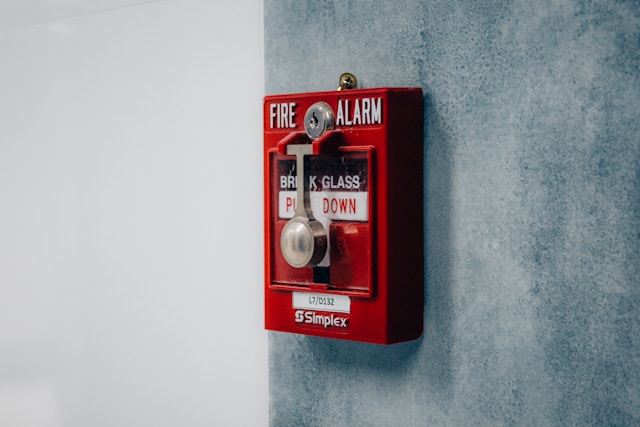
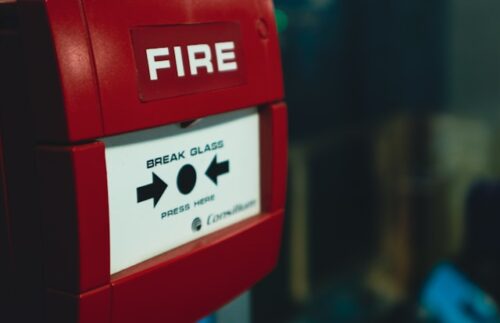
A smoke detector hung on a ceiling for years doesn’t automatically stay reliable forever. People assume that, but it causes more problems than you’d think. Smoke and heat detectors need to be functionally tested, and their sensitivity checked. In simple terms, technicians are checking whether the detector still reacts the way it was meant to. Too sensitive and you get constant false alarms. Not sensitive enough and smoke spreads before anyone even gets a warning. That balance is a lot more delicate than most building owners realize. And then there’s the manual pull stations. They seem old-fashioned but during confusion or panic, these are critical because if automatic detection is delayed or visibility becomes poor, people still rely on these stations. So, maintenance teams check the accessibility, physical condition, and operation of these stations. Because a blocked or damaged pull station is worthless when every second counts.
The standards most people have never heard of
Here is where things get a bit more technical, but it’s also really important. In Australia fire alarm systems are heavily guided by standards like AS1670. This standard focuses on how fire detection, alarm, and warning systems should be designed, installed and commissioned inside buildings. At first glance, that sounds like paperwork, but it actually changes how systems are designed in real life.
The hidden difference between L1 & L4 systems
This is a tricky bit that lots of people just don’t get right. Not all fire alarm systems protect a building in the exact same way. An L1 system gives you the best possible protection, it’s got your back in every nook and cranny, including roof spaces, hidden areas and even the voids within walls. Designed to offer the highest level of protection, it’s no wonder it’s the top of the line choice. An L4 system on the other hand, is much more targeted, it focuses on getting people out safely rather than covering the whole building. Stop and think about that for a second.
Why sound levels matter more than you think?
A fire alarm that can’t be heard above the din is almost as bad as having no alarm at all. Most people don’t even consider sound levels until they find themselves in a noisy environment, like a warehouse, factory, shopping centre or even a busy office floor. All that background noise competing with the alarm for attention is a real challenge. That’s why fire alarm sounders are designed to kick in when the background noise level gets too loud, generally around 65 decibels or above. But here’s the thing. It’s not just about checking whether the alarm makes noise, it’s about making sure the sound is actually reaching the right areas at a level that gets people’s attention. Because when panic sets in, confusion spreads fast and people start hesitating. And if they’re not sure if the alarm is real, evacuation slows to a crawl.
Preventive maintenance is really about solving problems before they happen
This is where things start to get really interesting. Preventive maintenance isn’t just one single process, it’s a whole bunch of different approaches working together. Some maintenance is done on a schedule, where regular inspections happen every month or every six months regardless of system condition. Some maintenance is usage-based, considering how often the equipment is actually used. And then there’s the condition-based and predictive stuff, where technicians keep an eye on warning signs before things start to go wrong. It’s all pretty advanced, but the basic idea is simple: fix small problems early, before they become big, expensive headaches. Because once a fire alarm system starts to fail, the damage can add up way faster than anyone expects.