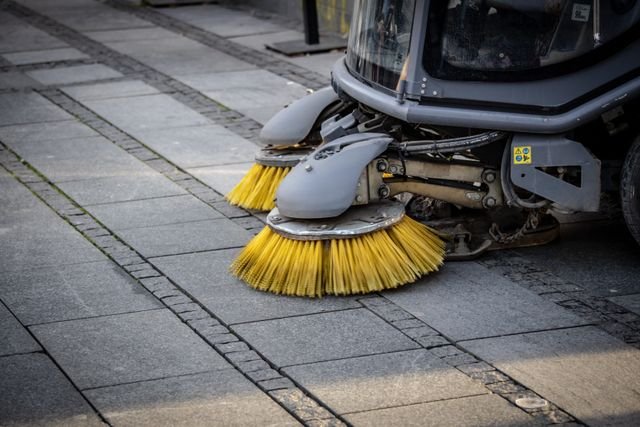


Concrete is one of the most widely used surfaces in Australian homes, businesses, and industrial facilities, covering driveways, footpaths, warehouse floors, car parks, and outdoor entertainment areas. Despite its reputation for durability, concrete is porous at a microscopic level and susceptible to staining from oil, grease, efflorescence, mould, and general environmental contamination that accumulates over time. Maintaining clean concrete surfaces is not just about appearance. Staining and biological growth can reduce slip resistance, accelerate surface degradation, and create compliance issues in commercial and industrial settings where surface condition is regulated. Choosing the right cleaning approach and products makes the difference between a surface that is restored effectively and one that is cleaned superficially while the underlying contamination remains.
Selecting the Best Concrete Cleaner for Your Requirements
An effective concrete cleaner is formulated to penetrate the porous surface of the concrete and break down the specific type of contamination being addressed. Oil and grease stains require a product with strong degreasing chemistry that can lift petroleum-based compounds from deep within the pore structure. Efflorescence, the white salt deposit that appears on concrete surfaces exposed to moisture, requires a mildly acidic cleaner that dissolves the mineral deposits without damaging the concrete matrix. Biological growth including mould, algae, and lichen calls for a biocidal treatment that kills the organism at its source. Concentrated formulations that can be diluted to the appropriate strength for the application offer flexibility and economy for users who clean concrete regularly or in large quantities. Ready-to-use products are more convenient for occasional use or for smaller areas where precise dilution is less critical.
Reasons for Frequent Cleaning of Concrete Surfaces
Regular cleaning of concrete surfaces prevents the progressive buildup of contamination that becomes increasingly difficult to remove over time. Fresh oil stains, for example, can often be removed effectively with a standard degreaser, while stains that have been allowed to cure and penetrate deeply may require multiple applications of stronger products or mechanical assistance to address fully. In commercial settings, maintaining clean concrete floors and car park surfaces contributes to a positive impression for customers and visitors. Stained or contaminated concrete surfaces communicate neglect, which reflects poorly on the businesses they are associated with regardless of the quality of the products or services those businesses provide.
How to Get the Best Cleaning Outcomes?
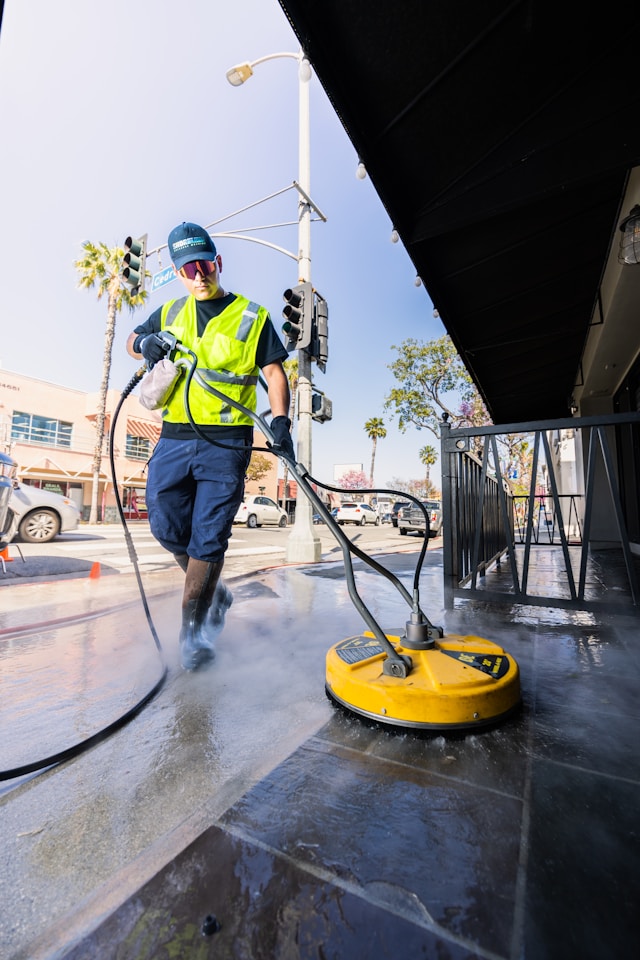
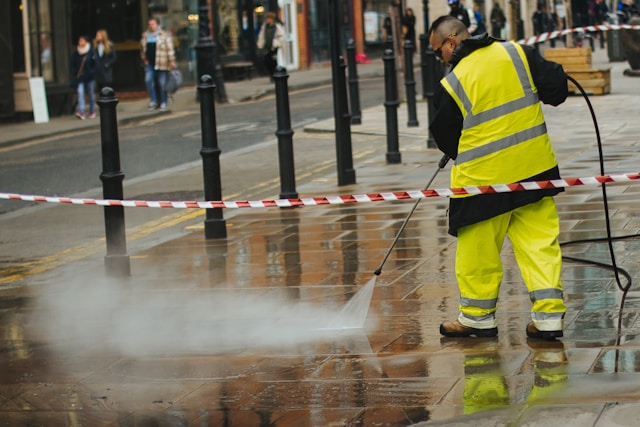
Effective concrete cleaning requires proper preparation and technique as much as the right product. Pre-wetting the surface before applying a cleaner helps prevent the product from being absorbed too rapidly and allows it to dwell on the surface for sufficient time to work on the contamination. Agitation with a stiff-bristled broom or brush during the dwell period assists the chemical action of the cleaner in breaking down stubborn stains. Rinsing thoroughly after cleaning is critical. Residual cleaning products left on the surface can attract dirt, create a sticky film, or in the case of acidic cleaners, continue to react with the concrete if not completely removed. Using a pressure washer for the rinse phase ensures thorough removal of the cleaning product along with the loosened contamination.
Concrete Sealing Following Cleaning
Applying a quality concrete sealer after cleaning protects the restored surface from future contamination and makes subsequent cleaning easier. Penetrating silane or siloxane sealers repel water and oil-based contaminants at the surface level, while topical acrylic or polyurethane sealers form a physical barrier over the concrete surface. The choice of sealer depends on the application and the level of protection desired. For driveways and outdoor areas, a penetrating sealer that does not change the surface appearance is usually preferred. For warehouse and factory floors where chemical resistance and ease of cleaning are priorities, a topical floor coating may be more appropriate. Consulting with a cleaning and coatings specialist ensures the right product is chosen for each specific application.