

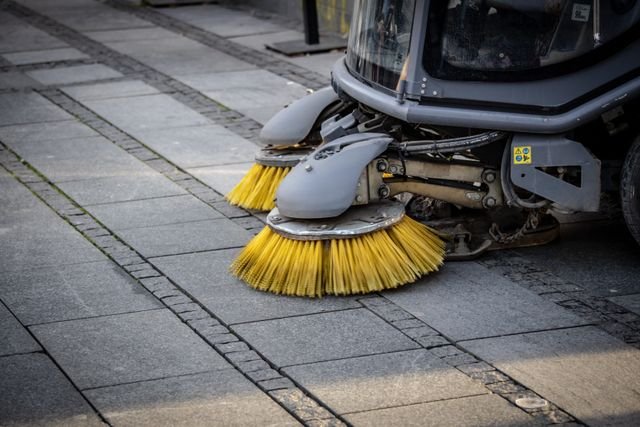
There’s a widespread notion that street sweeping on a construction site is a bit of an afterthought, a job that gets ticked off at the end of the shift, maybe a quick tidy-up before the site manager comes by to check everything is shipshape. But on Melbourne’s bustling construction and civil sites, that assumption is seriously misplaced. In reality, sweeping on these sites is all about managing sediment, protecting that important drainage infrastructure, and meeting those all-important environmental compliance requirements; the tidying up comes a distant second.
Not All Sweepers Are the Same Machine
One of the sneakiest and most costly mistakes contractors can make on a Melbourne site is getting the sweeper machine wrong for the job. Hiring the right street sweeper Melbourne contractors depend on starts with understanding what each machine type is actually built to handle. Installing a machine that just isn’t equipped to handle the site conditions is a big deal, and can end up costing you in the long run. Mechanical broom sweepers work a treat for aggregate, leaf litter, and general debris on solid stable ground where the surface is compacted and stable. They use those rotating brushes and a conveyor to collect the coarser materials. But then you have the regenerative air sweepers which use high-velocity air blasts to loosen up fine dust and suck it all up into a sealed tank. They’re perfect for places where the air is chock full of fine particulate that needs to be caught spot on rather than just spreading it round the site. And then there are the vacuum sweepers which are basically the safest bet of all; they suck up the material without using brushes at all, so they’re perfect for those sensitive areas near the drainage points where fine sediment needs to be removed super carefully.
How Construction Debris Reaches the Stormwater System?
The distance from the site debris to the stormwater network is less than one would expect to see at ground level. While rain is the most efficient process for transporting contaminants, both windblown materials and the tread of heavy vehicles can take sediment directly to kerb drains even on a clear day. Fine aggregate, construction dust, and loose soil are very transportable and can have been transported some distance before ending up in a drain pit or channel. The EPA Victoria guide to construction site pollution control highlights sediment runoff as a key issue, and keeping mud off public roads and managing dust are amongst the site obligations; sweeping around entrances and exits is a site management technique that helps meet these obligations.
What Sweeping Can’t Do Alone?
While street sweeping is effective at dealing with a variety of debris types, there are issues with sweeping that must be taken into account at construction and civil sites. Concrete washout residues are caustic and highly reactive and must be managed separately from sediment control. This is an additional obligation to managing sediment and cannot be done with a normal sweep.
Planning Your Sweeping Schedule in Relation to a Busy Melbourne Site
Time truly is a factor in a busy construction project. A sweeper put in the wrong place at the wrong time can interfere with concrete pouring, line marking activities, or deliveries that can’t wait. A morning sweep before the workforce arrives is the least disruptive time available, and end-of-day sweeps coincide nicely with site handover checks. If a construction site has high levels of traffic moving through one entrance, a selective sweep at that entrance is a good use of time while working operations are going on elsewhere.
Why a Scheduled Sweep Outshines On-Demand Sweeps?
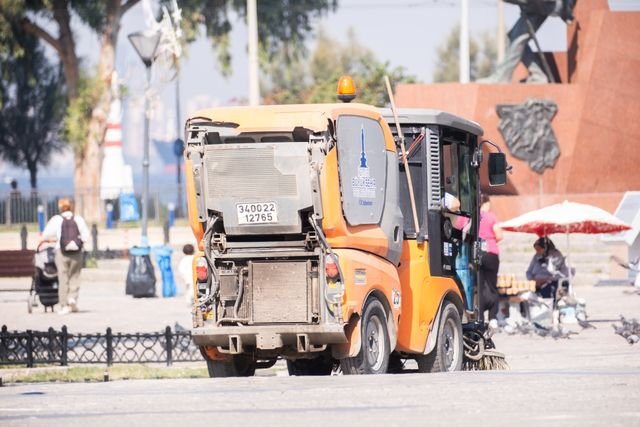
If a site integrates a sweep program into their environmental management plan, they will have useful documentation for inspection points. Properly maintained equipment is better able to clean up the fines missed or redeposited by other machinery. An experienced operator can adapt their sweep technique according to the evolving active program.