
A Vanity Makes The Pace Of The Room
A nicely tiled bathroom might still be problematic if the vanity is the wrong scale. It can jam the doorway, get in the way, offer no usable bench space or make the sink look strangely out of place. That’s why bathroom vanity dimensions are so important, even before style, colour or tapware is chosen. The numbers will determine not simply how the space looks in a photograph, but how it feels in the morning.
The vanity is usually the busiest object in the bathroom. It contains the basin, houses everyday objects, facilitates grooming rituals and contributes to the visual harmony of the area. If it’s too wide, the room feels crowded. If it is too small, the bathroom can look incomplete and lack storage. The sensible option starts in the space itself, not in the showroom display.
The Width Of The Room Determines The Breathing Space
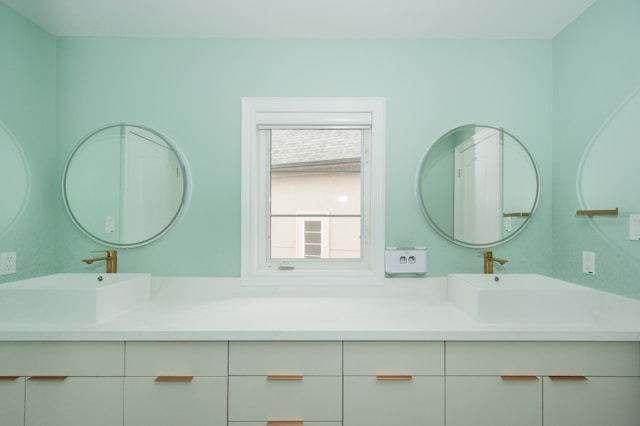
The bathroom vanity dimensions will affect how easy people can walk around it. In a small bathroom a few centimetres can be the difference between a drawer that opens easily and a person who can stand at the sink without feeling cramped. A broader vanity can give a more expansive, grounded look in a larger bathroom, especially if two people are using it.
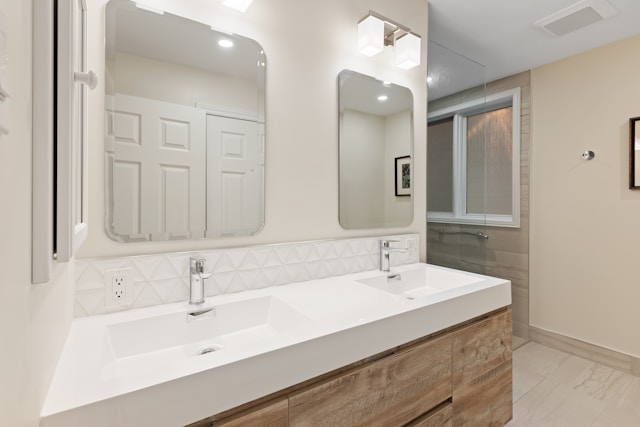
Single vanities are frequently ideal for smaller bathrooms, ensuites and powder rooms, however double vanities are best saved for locations that can really handle them. A double basin may sound like a luxury, but it loses its charm if it means compromising on walk space or pushing the toilet, shower and door into awkward places.
Comfort Is A Function Of Height And Depth
Height is one of the most personal of metrics. A vanity that is too low can be uncomfortable for taller users, while one that is too high may be ill-fitted for youngsters or shorter adults. “Vanities today are typically manufactured for a more comfortable standing height. But it really depends on who is going to be using the room the most.
Depth is also something to note. A deeper vanity provides extra bench space and storage but might be space-consuming in a tiny bathroom. A shallower design is helpful if you are limited on walkway width, but still needs to have enough basin room to avoid splashing and day-to-day annoyance. The practicality is in those minor distinctions.
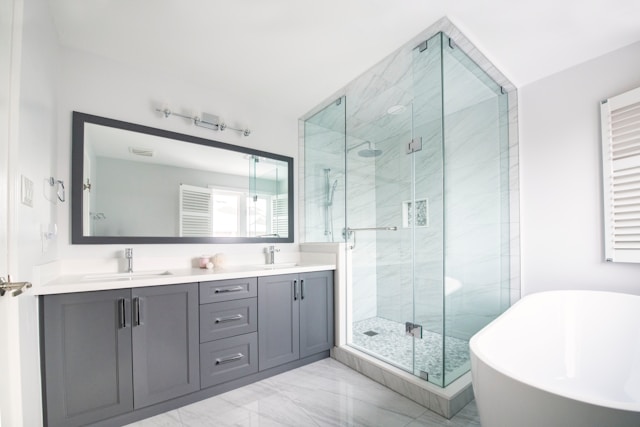
Storage Should Reflect Real Practices
People underestimate how much a vanity needs to hold. If the inside is not well thought out, toothbrushes, skincare, hair tools, cleaning supplies and spare soap and towels can rapidly take over a lovely cabinet. Drawers are best for convenient access, although cupboards can store taller bottles or bulkier goods. The size should be right for the household’s habits, rather than shoving things into congested corners.
A good size vanity makes the bathroom easier to maintain tidy, with storage, basin and bench area all having a purpose. It doesn’t fight the room. It’s it’s. With careful thought to the proportions the bathroom seems more relaxed, movement is natural and the end design is intentional without being big or complicated.